
Cannabis (Marijuana) Intoxication in Pets
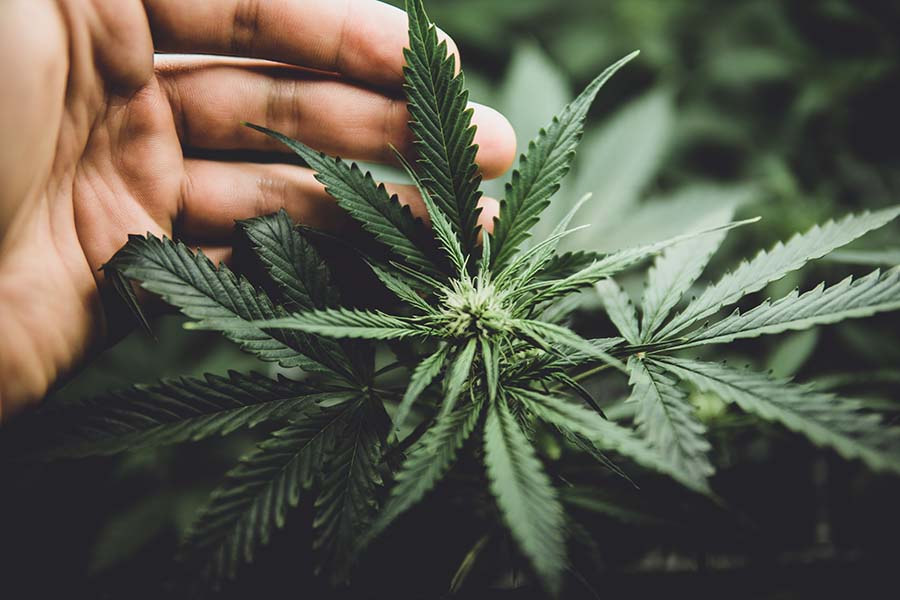
As cannabis products become more widely available, veterinary teams are seeing more pets exposed to them. Dogs and cats may chew on cannabis plants, eat discarded products, or get into edibles such as brownies, gummies, candies, and baked goods. THC—the compound in cannabis that causes a “high”—can affect pets differently from people, and even a small amount may make an animal sick.
Most cases happen by accident. A pet may find an edible in a purse, on a nightstand, or in the trash. Exposure can also happen when animals inhale secondhand smoke. Because products vary in strength and ingredients, there is no reliable “safe amount” for a pet. Edibles can pose additional dangers: chocolate, raisins, or the artificial sweetener xylitol may be toxic on their own.
How cannabis affects pets
THC interacts with the brain and nervous system. Dogs and cats can become sleepy, disoriented, unsteady, or unusually sensitive to sounds and touch. Dogs are often brought in after eating cannabis products, but cats can also be affected through ingestion or inhalation.
Signs may begin within a few hours, and can last a day or longer depending on the amount and type of product involved. Common signs include:
- Wobbling, stumbling, or difficulty standing
- Sleepiness, weakness, or unusual agitation
- Disorientation, staring, or increased vocalizing
- Dilated pupils
- Dribbling urine or loss of bladder control
- Drooling, nausea, or vomiting
- Changes in heart rate, blood pressure, breathing, or body temperature
- Tremors or, in severe cases, seizures or loss of consciousness
Some pets may seem unusually sensitive to movement, noise, or touch. These signs can resemble other medical problems, so a veterinarian should assess a pet with sudden, unexplained changes in behavior or coordination.
What to do if your pet may have been exposed
Call your veterinarian or the nearest emergency veterinary hospital promptly—even if your pet seems fine. Early advice matters because the right response depends on what was eaten, how much, and when. If you know the product, keep its packaging and tell the veterinary team the estimated amount and time of exposure. Be candid about what your pet may have encountered; this information helps the team choose safer, more effective care.
Do not try to make your pet vomit, and do not give home remedies or medications unless a veterinarian instructs you to. A pet that is drowsy or uncoordinated can inhale vomit into the lungs. Cannabis itself may also make vomiting less likely, so trying to induce it at home can add risk without helping.
Seek emergency care immediately if your pet is having trouble breathing, cannot stand, is becoming less responsive, has severe tremors or a seizure, or is repeatedly vomiting. Keep a wobbly pet away from stairs, furniture edges, and other hazards while arranging care.
How veterinarians diagnose and treat cannabis intoxication
There is no antidote for THC intoxication. Veterinarians usually make a diagnosis from the pet’s signs, examination, and exposure history. Rapid screening tests designed for people may not reliably detect THC exposure in animals, so telling the veterinary team what your pet may have eaten can be especially helpful.
Treatment is supportive and depends on the pet’s condition. A mildly affected animal may need a quiet, supervised place to recover and guidance from a veterinarian. More serious cases may require hospitalization for monitoring, intravenous fluids, help maintaining a safe body temperature, and medication for nausea, agitation, tremors, or seizures. A veterinarian may consider steps to reduce absorption soon after ingestion, but these are appropriate only in certain circumstances and should never be attempted at home.
Most pets recover with appropriate care, often within 24 to 72 hours. Recovery can take longer after a large exposure or when an edible contains another dangerous ingredient. Severe intoxication can affect breathing and body temperature, so veterinary guidance is important even though most cases have a good outcome.
How to prevent accidental exposure
Treat cannabis products like medications or household chemicals: store them securely and keep them out of reach.
- Use a locked cabinet or container, not just a high shelf.
- Keep edibles in their original, clearly labeled packaging; child-resistant packaging may not stop a determined pet.
- Don’t leave products in purses, backpacks, coat pockets, or on counters or bedside tables.
- Put discarded products and packaging in a lidded trash container pets cannot open.
- Keep pets away from areas where cannabis is being used, including rooms with smoke.
- Tell visitors to store their products safely and never offer cannabis to a pet.
If your pet seems “high” or suddenly becomes unsteady, sleepy, or unusually sensitive, contact a veterinarian rather than waiting for the signs to pass. Quick, honest communication gives the veterinary team the best chance to protect your pet and guide a safe recovery. For urgent poison advice in the United States, you can also call ASPCA Animal Poison Control at 1-888-426-4435 or Pet Poison Helpline at 1-855-764-7661; fees may apply.