
5 Common Veterinary Medicine Myths Debunked
We all want the absolute best for our animal companions. You buy them the highest-quality food, the most comfortable beds, and enough toys to fill a small room. But when it comes to their healthcare, separating fact from fiction can get tricky.
A quick search online often reveals a maze of conflicting advice, outdated beliefs, and plain old misunderstandings about what goes on at the vet clinic. Relying on bad information can cause unnecessary stress and might even put your pet’s health at risk.
We are going to set the record straight. We will dive into five of the most common myths about veterinary medicine, explore the realities behind the clinic doors, and show you exactly why your local veterinarian is your best resource for keeping your best friend happy and healthy.
Myth 1: Veterinary Medicine is Less Advanced Than Human Medicine
There is a lingering assumption that if a pet gets seriously ill, the available medical options are basic, outdated, or limited. Some people believe that animal medicine lags decades behind human healthcare.
The Reality of Modern Vet Care
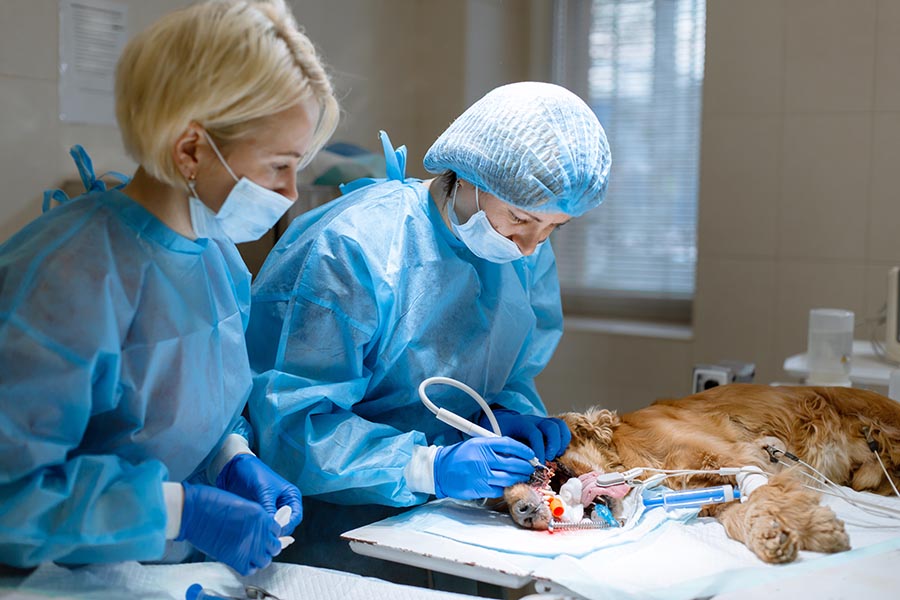
If you step into a modern specialty veterinary hospital, you might mistake it for a human medical facility. Veterinary medicine utilizes cutting-edge technology and sophisticated treatments that directly mirror those used for humans.
Veterinarians routinely use magnetic resonance imaging (MRI) and CT scans to diagnose neurological issues or locate hidden tumors. Veterinary surgeons perform complex orthopedic repairs, open-heart surgeries, and kidney transplants. Pets diagnosed with cancer have access to veterinary oncologists who design customized chemotherapy and radiation treatment plans.
Real-world example: Consider a dachshund that suddenly loses the ability to walk due to a ruptured disc in its spine. Just a few decades ago, the prognosis would have been grim. Today, a veterinary neurologist can perform an MRI to pinpoint the exact location of the injury and immediately take the dog into surgery to relieve the spinal pressure. Within weeks, that same dog is often back to running and playing in the yard.
Myth 2: Indoor Pets Don’t Need Regular Vet Visits
It is incredibly common for owners of strictly indoor pets—especially cats—to skip annual exams. The logic seems sound on the surface: if the pet never goes outside, never interacts with stray animals, and never encounters wild environments, how could they possibly get sick?
The Hidden Health Risks Indoors
While living indoors certainly protects pets from being hit by cars or attacked by predators, it does not make them immune to disease. Many of the most common and dangerous health issues affecting pets have absolutely nothing to do with going outside.
Dental disease is a prime example. By the age of three, the majority of dogs and cats show signs of periodontal disease. If left unchecked, this leads to chronic pain, tooth loss, and bacterial infections that can damage the heart and kidneys. Furthermore, indoor pets are highly susceptible to obesity, diabetes, hyperthyroidism, and kidney disease.
Real-world example: An indoor-only cat might seem perfectly fine to its owner, but cats are notorious for hiding pain. A routine checkup might reveal early-stage kidney disease. Because the veterinarian caught it early through routine blood work, the owner can easily manage the condition with a special diet, adding years of comfortable life to their feline friend.
Myth 3: Vets Are Only in It for the Money
Whenever a pet owner faces an unexpectedly high veterinary bill, frustration can quickly lead to the accusation that veterinarians only care about profits. This myth paints veterinary professionals as greedy business owners trying to upsell unnecessary services.
The Financial Reality of the Profession
The truth is starkly different. Becoming a veterinarian requires an incredible amount of sacrifice, dedication, and financial burden. Veterinary school is just as rigorous and expensive as human medical school. Most newly graduated veterinarians enter the workforce carrying hundreds of thousands of dollars in student loan debt.
Despite this massive educational cost, the average starting salary for a veterinarian is significantly lower than that of human doctors, dentists, or even some specialized human nurses. The equipment required to run a clinic—such as digital x-ray machines, surgical suites, and in-house laboratories—is incredibly expensive to purchase and maintain.
Veterinarians choose this path because they possess a deep, abiding love for animals and a passion for science. They regularly endure long hours, physical injuries, and severe emotional exhaustion (often called compassion fatigue) simply because they want to heal animals and support pet owners.
Myth 4: The Internet is an Appropriate Place to Look for Veterinary Advice
While searching for pet health information online is easy and tempting, the internet is filled with conflicting, old, or even misleading advice that may do more harm than good. Every animal is unique, and what works for one pet might not work—or might even be dangerous—for another. Only a licensed veterinarian can accurately assess your pet’s individual needs and provide tailored recommendations backed by years of education and hands-on experience. For the well-being and safety of your pets, always consult a professional rather than relying on internet advice.
Myth 5: Pet Vaccines Are Unnecessary or Harmful
With the rise of vaccine hesitancy in human health, similar fears have spilled over into the pet world. Some owners worry that vaccinating their pets will cause severe side effects, or they believe that the diseases these vaccines prevent no longer exist.
The Lifesaving Power of Prevention
Vaccines remain one of the most crucial tools we have for preventing severe, often fatal, diseases in animals. Before the widespread use of vaccines, diseases like canine parvovirus and feline leukemia wiped out entire litters of puppies and kittens on a regular basis.
Vaccines undergo rigorous testing for safety and efficacy before they ever reach a veterinary clinic. While minor side effects like mild lethargy or a small bump at the injection site can occur, severe reactions are exceedingly rare.
Furthermore, some vaccines are legally required for the safety of the human population. The rabies virus is 100% fatal to both pets and humans once symptoms appear. Vaccinating your pet creates a vital barrier of protection that keeps your family and your community safe from this devastating disease.
Trust the Experts with Your Pet’s Health
Navigating pet healthcare can feel overwhelming, especially with so many myths floating around. By understanding the truth behind veterinary medicine, you empower yourself to make the best possible decisions for your furry, scaly, or feathered family members.
Your veterinarian dedicates their life to animal health. They possess the training, the technology, and the compassion to help your pet thrive. If you ever read something online that makes you question your pet’s care routine, do not let myths dictate your actions.